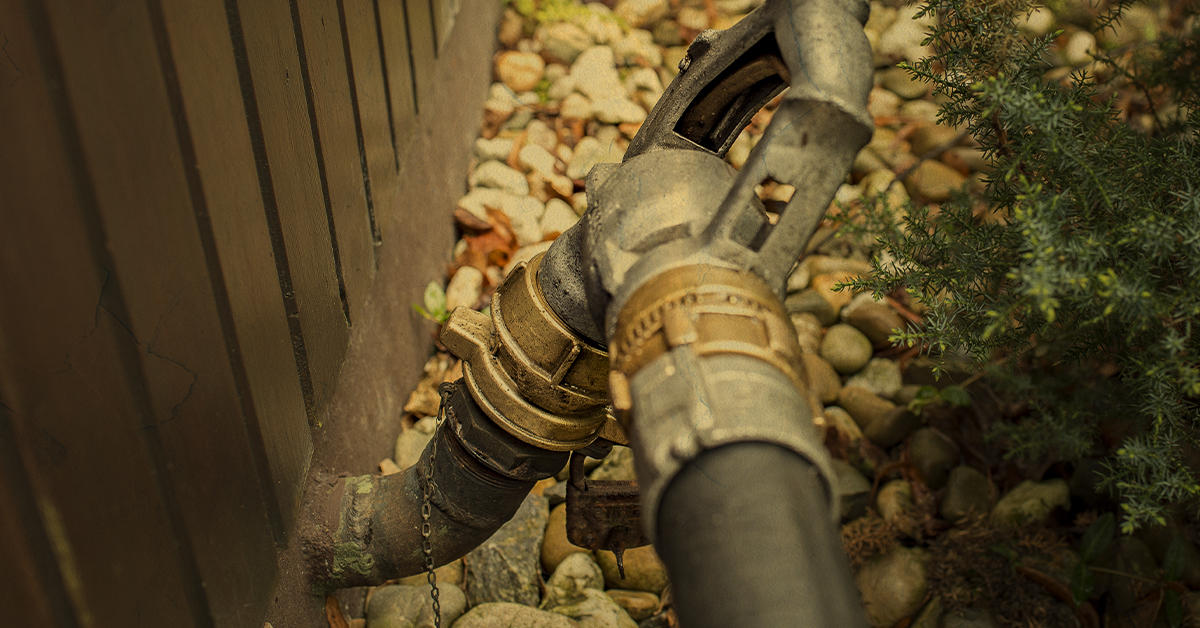
How Can I Make My Heating Oil Last Longer?
Category: Equipment Information, Home Heating Facts, Home Heating Tips
As it seems that oil prices are increasing across the board, households are increasingly seeking methods to minimize their heating bills. Learn some expert insights on how to extend the lifespan of your heating oil and implement strategies for cost efficiency. How Long Should Heating Oil Last? “Lasting” in terms of being viable and useful is fairly simple. Heating oil will generally last between 18 and 24 months before it deteriorates. So even a tank

If you have noticed clicking sounds coming from your furnace, it may be a cause for concern. While a certain amount of noise is normal, persistent clicking sounds could indicate a bigger issue with your system. These noises can serve as a warning sign of potential problems and should not be ignored. Is a Clicking Furnace Dangerous? The clicking you hear as part of the normal ignition process is normal, but if it is continuous

You just bought a home with a furnace or boiler that’s fueled by heating oil. You’re hearing terms like “budget plans,” “COD heating oil,” and “payment plans,” but you don’t know the difference. Then they throw around terms like “locked price” and “capped price.” How do you make a decision? Take a deep breath. We have the answers you need to make an informed choice that fits your budget and lifestyle. What Is COD Heating
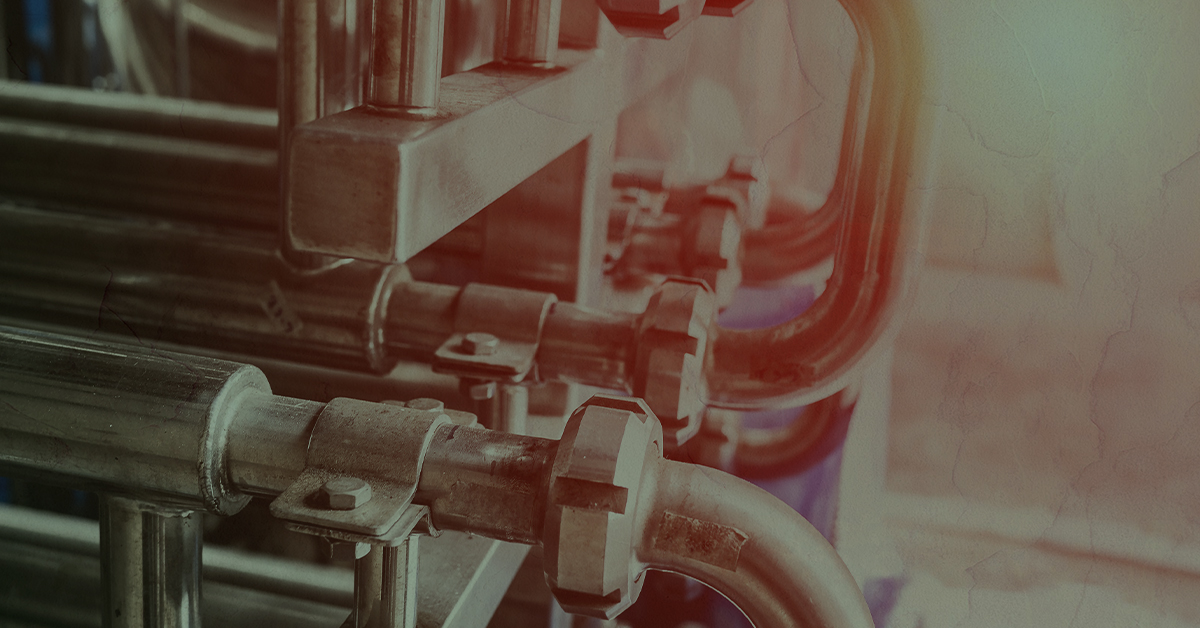
Can a Broken Heat Exchanger Cause a Fire?
Category: Equipment Information, Home Heating Facts, Seasonal Prep
Winters here in Nassau and Suffolk counties always result in an uptick in home heating usage and, unfortunately, costs. And with more and more people working remotely at least some of the time, home heating usage may be going up even further. An additional cost beyond your heating bills that comes with frequent use of HVAC systems is wear and tear on the units themselves. One of the most important components involved in a heating
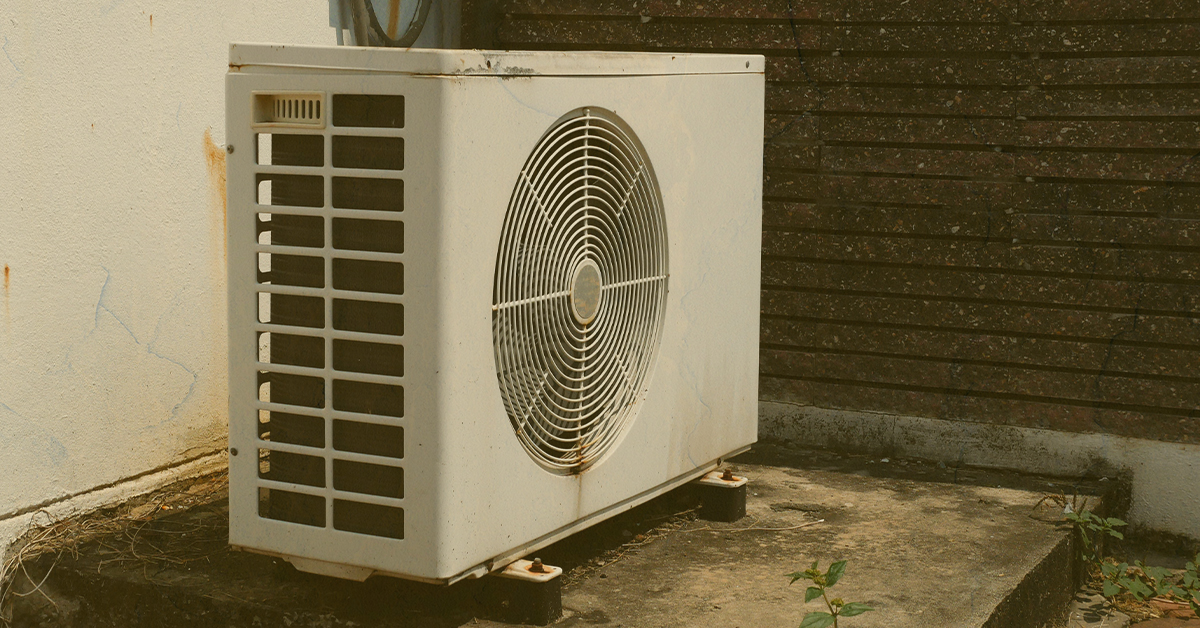
During the winter, we rely on our climate control systems, which for many includes the use of a heat pump. Rather than producing heat, a heat pump moves it from one place to another, allowing it to fill the places of both a heater and an air conditioner. Should an Air Source Heat Pump Be Dripping Water? Due to the heat exchange process used in heat pumps, a certain amount of condensation is not unusual


