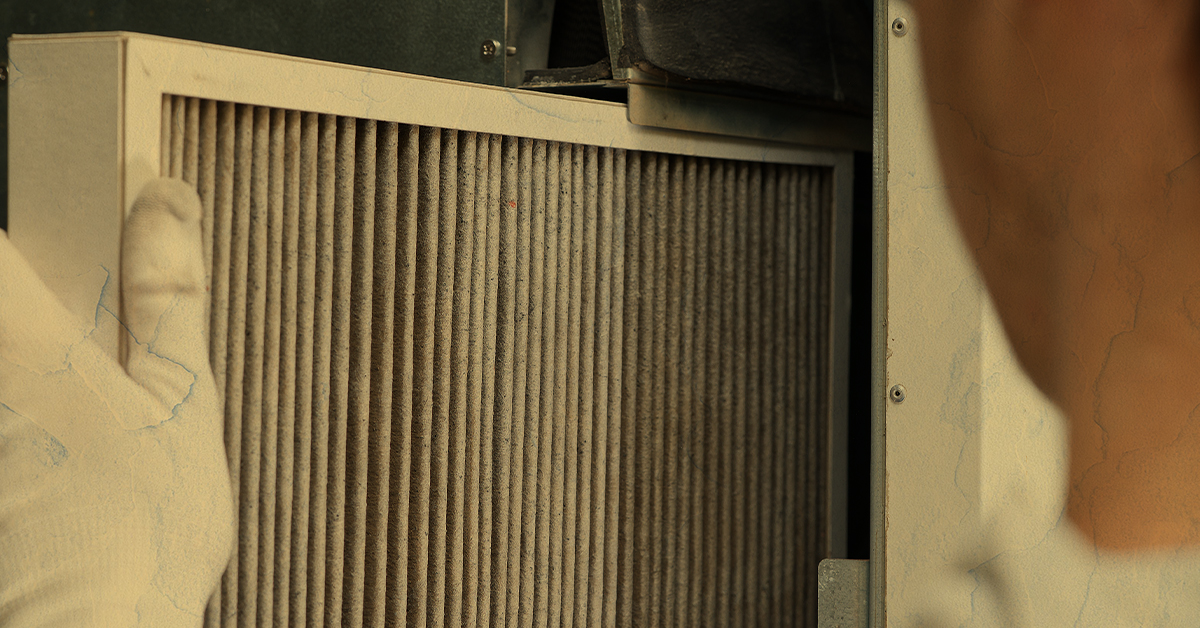
Why Changing Your Furnace Filter Is Important
Category: Equipment Information, Home Heating Facts, Home Heating Tips
An important and often overlooked way to extend HVAC lifetime is one of the simplest to implement – changing your filters. It is also one of the more neglected aspects of maintenance, probably because people don’t realize just how essential it is. What Happens If You Don’t Change the HVAC Filter? Furnace filters and HVAC filters do two things. They improve the home’s IAQ (Indoor Air Quality) but they also serve to keep dust and
This hurricane season has already been record-setting in other parts of the country. That means many of us here on Long Island are rightfully wondering if this will mean a wetter fall and winter season than usual. There are indicators that we may be experiencing a La Nina season this year, which means that the surface ocean temperatures are cooler in the Pacific, which can cause a wetter winter across the country; including New York.

How to Prepare Your HVAC System for Cooler Weather
Category: Equipment Information, Home Heating Tips, Seasonal Prep
As we move through fall and winter approaches, the decreased daylight and colder weather have Long Islanders making adjustments to keep their homes warm. Our boilers will work harder to maintain the comfortable temperatures we enjoyed effortlessly just a few months ago. Many homes use additional HVAC systems, like heat pumps, alongside their furnace to provide extra relief from the cold. If we aren’t using and maintaining our HVAC systems correctly, they could be damaged
The hurricane season is typically June 1 until November 30, though historically speaking the biggest potential for hurricanes in New York is between August and October. While many people prepare for these storms by stocking up on supplies or securing windows, they often overlook the importance of preparing their HVAC systems to weather the storm. How Should You Prep Your HVAC for Stormy Weather? Preparation and planning are essential to making it through the hurricane
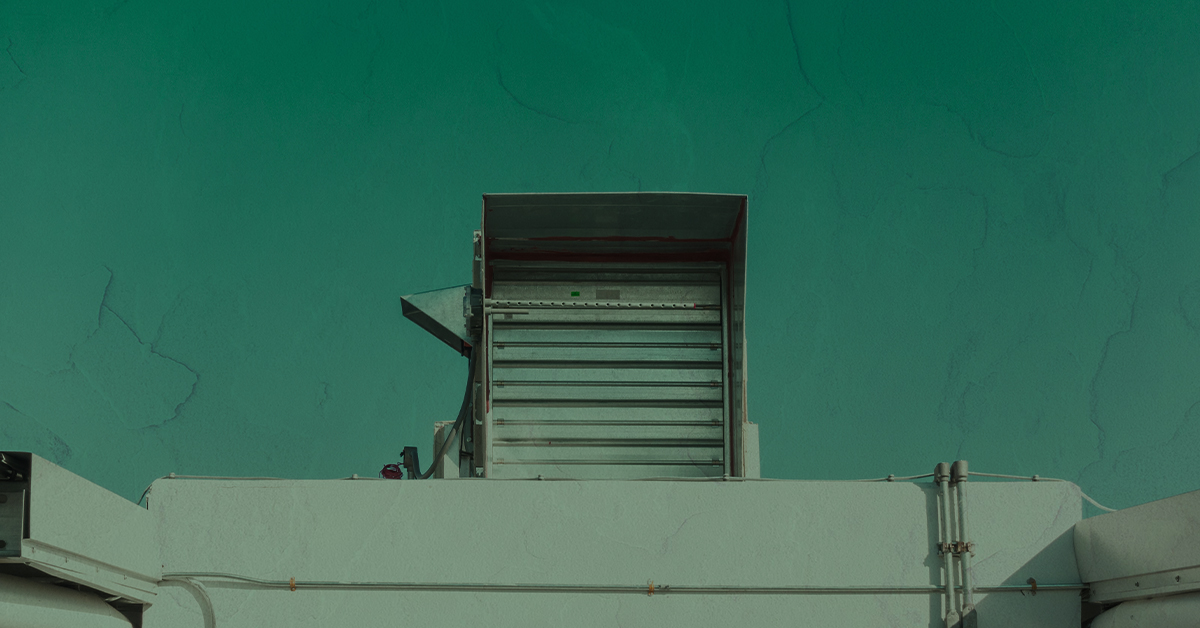
HVAC dampers typically help control and regulate airflow by managing how much air flows through certain areas of your space. They can help conserve energy and create more consistently maintained temperatures in specific rooms by preventing temperature fluctuations in one area of the house from affecting others. There are also fire and smoke dampers that are safety measures in the event of a fire that should be a part of your HVAC system. They are


